

⚕️ Medical Disclaimer
The information provided here is for educational and informational purposes only and is not intended as medical advice. It should not be used to diagnose, treat, cure, or prevent any disease or health condition.
Always consult with a qualified healthcare professional before making any changes to your diet, exercise routine, fasting regimen, or medication use—especially if you have a medical condition, are pregnant or breastfeeding, or are taking prescription medications.
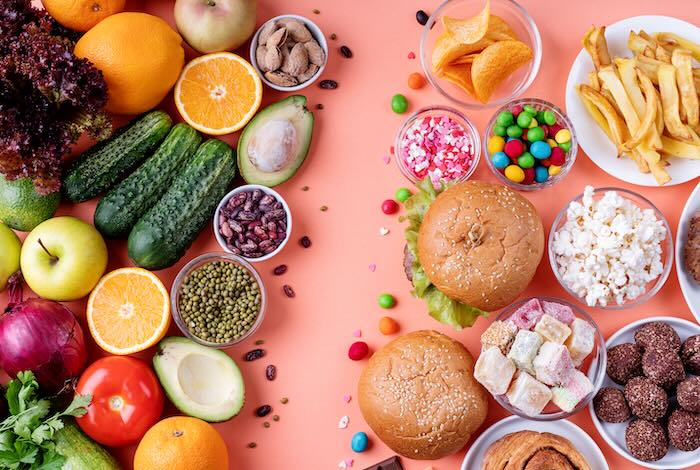
Many of us struggle with the dilemma of choosing between indulging in delicious, but potentially unhealthy foods and sticking to a nutritious diet. We often associate eating joy with the pleasure our taste buds experience, forgetting that it also involves the brain's reward system. One of the key ingredients that triggers the brain's reward system is sugar.
Is Sugar the Culprit?
High sugar level foods can overstimulate the brain's reward system, making it difficult to feel satisfied without consuming more sugar. This constant firing of the reward system can lead to cravings and a cycle of unhealthy eating habits.
Can You Find Joy in Healthier Options?
However, once the brain's reward system stabilizes and adjusts to lower sugar levels, you may find that you can experience the same level of eating joy from fresh vegetables and fruits. These nutritious options can still trigger the brain's reward system, providing a sense of satisfaction and pleasure without the negative effects of excessive sugar consumption.
What Should You Prioritize?
While it may seem challenging to give up certain indulgent foods, prioritizing your long-term health and well-being is crucial. By making conscious choices to include more nutrient-dense foods in your diet, you can still experience eating joy while supporting your overall health.
Balance is Key
Finding a balance between enjoying occasional treats and nourishing your body with wholesome foods is essential. Remember that eating joy is not solely about the taste of food, but also about how it makes you feel physically and mentally. By making mindful choices and listening to your body's needs, you can achieve a healthy diet that brings you both satisfaction and well-being.
What triggers your cravings?
It's important to identify what triggers your cravings for unhealthy foods. Is it stress, boredom, or certain emotions? Once you understand your triggers, you can work on finding healthier alternatives to satisfy your cravings.
Replace unhealthy foods with healthier choices
One effective way to lower your reward level is to replace unhealthy foods with nutritious alternatives. For example, if you have a sweet tooth, try swapping sugary snacks for fresh fruits or nuts. These healthier options can help satisfy your cravings without the negative impact on your health.
Incorporate cardio exercise
Cardio exercise is not only great for your physical health but can also help you control your appetite. Regular exercise can boost your metabolism and reduce cravings for unhealthy foods. Try incorporating activities like running, cycling, or swimming into your routine to help lower your reward level.
Monitor your glucose and cholesterol levels
Checking your glucose and cholesterol levels can provide valuable insights into your overall health and help you make informed decisions about your diet. By choosing the right foods and keeping track of these levels, you can ensure that you are on the right path to lowering your reward level.
Replace one food at a time
Instead of trying to overhaul your entire diet at once, consider replacing one unhealthy food with a healthier option at a time. This gradual approach can make the transition easier and more sustainable in the long run. Start by identifying one food that you consume regularly and find a nutritious alternative to replace it with.
Develop healthy eating habits
Building healthy eating habits is key to lowering your reward level and maintaining a balanced diet. Focus on incorporating a variety of nutrient-dense foods into your meals, staying hydrated, and practicing mindful eating. Over time, these habits will help bring your brain's reward level down while keeping your enjoyment of food at a satisfying level.
By following these tips and making small, sustainable changes to your lifestyle, you can successfully lower your reward level and improve your overall well-being. Remember, it's all about progress, not perfection. Stay committed to your goals and celebrate each healthy choice you make along the way.




Share:
Ultra-Processed People By Chris van Tulleken : HeartsDiet
Do you want to lose weight?