

Article from City of Hope
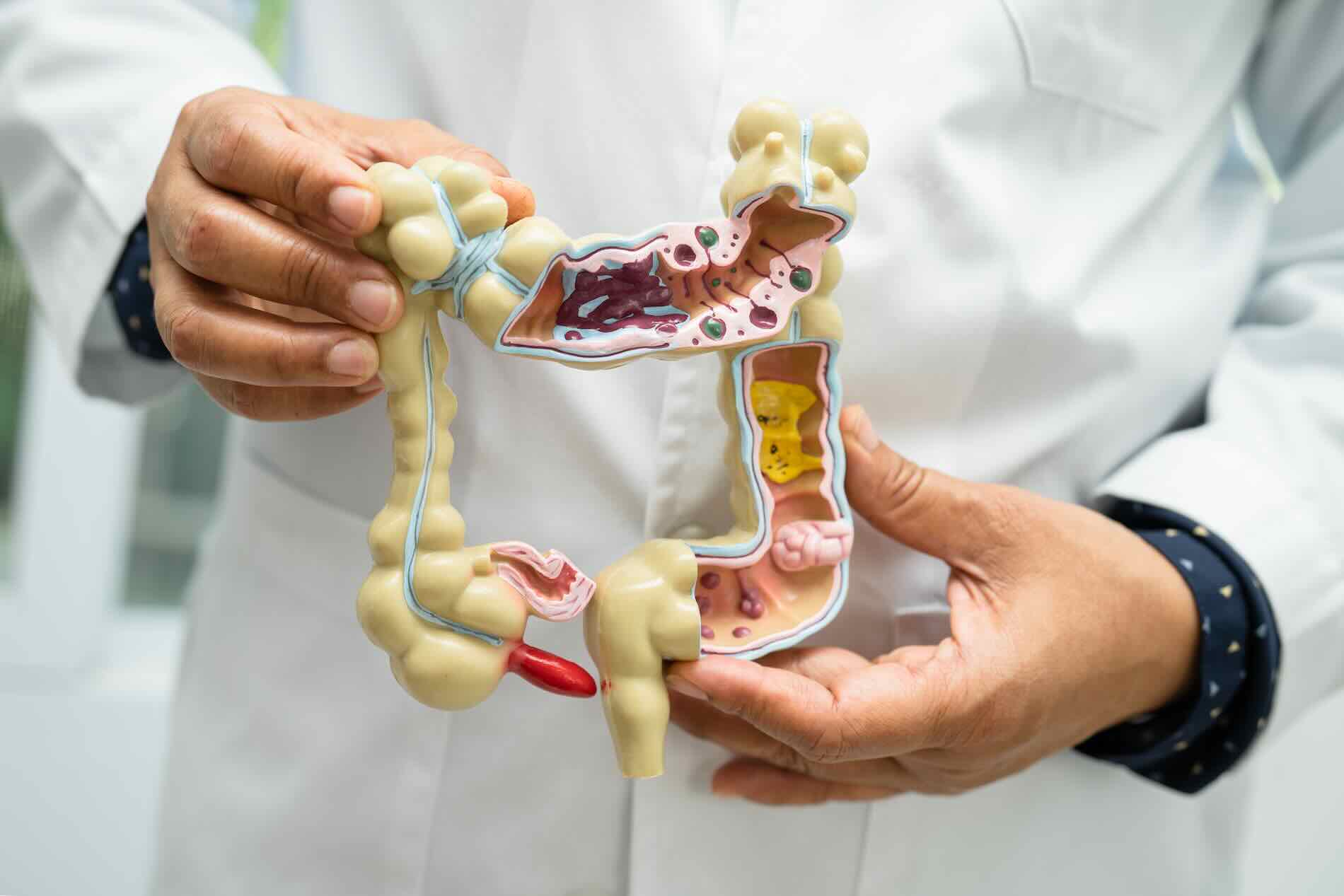
Leading-edge research at City of Hope and other prominent institutions who participated in the event have begun critical investigations of the microbiome, finding strong links between it and many aspects related to cancer. Additional topics discussed at the symposium included:
- Food as medicine - Growing evidence shows that diet may influence inflammation, immune function, and other factors in cancer care. For example, an early City of Hope study showed that high fiber intake in stem cell transplant patients was linked to fewer severe complications, fewer infections, and better survival.
- Boosting the microbiome for better outcomes - One small study at MD Anderson investigating the use of fecal microbiome transplants (FMT) from healthy individuals to improve the microbiomes of cancer patients found that one-third of the FMT recipients overcame a previous resistance to immunotherapy.
- Emerging fields of study – Researchers also talked about the potential of using microbes that are naturally drawn to tumors to deliver therapies directly, developing synthetic treatments to modulate the microbiome and reshape immune responses.
"Diet shapes the microbiome and the microbiome produces metabolites and those metabolites circulate systemically to influence tumor development and organized anti-tumor immune response,” said Emese Zsiros M.D., Ph.D., chair of the Department of Gynecologic Oncology at Roswell Park Comprehensive Cancer Center. “That immune response architecture helps to determine who derives the durable benefit from immunotherapy. Five steps, one system.”




Share:
Watercress - the healthiest vegetable.